Tuesday, 7:40pm. Eighty covers. This is the room we tune for
A system dialled in at 10am, in an empty room, is meeting a different room tonight — hard surfaces, a kitchen running, two hundred phones on the Wi-Fi. We engineer for the full one: sound that sits under conversation instead of over it, screens that read in afternoon sun, a network that holds at peak, and the whole venue moving from lunch to late on one button.
“It sounds great empty —
and falls apart when we’re full.”
The screen by the bar washes out at four. The Wi-Fi crawls at eight. Someone’s hunting for a playlist behind the host stand while the banjar counts decibels at the fence. Five symptoms. One system, badly joined.
The room hits 70 dB and guests stop talking — or the neighbours complain about noise crossing the property line, and that complaint has legal weight here.
The space has to be two venues in one day — calm lunch, lit-up dinner — and switching it over is a manual scramble.
Guest Wi-Fi dies the moment the place fills up. Reservations, payments and the reviews that follow all ride on it.
A menu board or feature screen is unreadable in afternoon sun.
The gear keeps dying early: speakers corroding by the beach, amps cooking in a hot ceiling void, living-room kit running twelve hours a day.
The whole room,
engineered together.
Sound under conversation, not over it.
Designed for a full room: even coverage so every table hears the same level, zoned volume so the bar lifts while the dining room stays calm, tuned to stay present without driving guests out early — or pushing noise past your boundary.
Day-to-night scenes, one button.
Lunch · Sunset · Dinner · Late. Audio level, source and lighting move together from a wall panel or a phone. Open the room, press once. No laptop, no “where’s the playlist.”
Screens that read in Bali daylight.
Menu boards, feature walls and projection specced for real conditions — brightness, contrast and placement for afternoon glare and open-air seating. Indoor/outdoor LED, plus high-brightness laser projection on motorized screens that vanish after the screening.
Guest Wi-Fi that holds at peak.
A network sized for hundreds of phones at a full house, guest traffic isolated from your POS and cameras, captive portal optional. When you’re slammed, the payments keep moving.
Gear that survives the island.
Corrosion- and outdoor-rated hardware, ventilated amplifiers, dirty-power protection — installed so the next technician can service it without archaeology.
The island is
the spec sheet.
Heat & humidity.
A ceiling void here is an oven. Ventilated amp racks, corrosion-rated hardware, sealed runs — kit that doesn’t cook up there.
Salt air.
Beachfront seating eats consumer speakers in a season. Outdoor-grade drivers and enclosures, or you’re rebuying the system next year.
Power.
The grid sags and spikes. Surge protection and clean power for audio, screens and network — the grid drops, your dinner service shouldn’t.
24/7 load.
Everything sized for continuous peak operation, not a quiet living room used an hour a night.
Supply, install,
or the whole stack.
You don’t have to hand us the venue on day one. Buy the design, the gear, the install — or all of it.
The whole stack
Audio, screens, Wi-Fi and scene control designed together, installed by one team, on one SLA and one point of accountability.
Fix one thing
Just the audio, just the screens, or just the network — done right, standalone.
Supply only
Genuine, brand-correct gear — speakers, LED, projection, network — specified and shipped, no grey-market.
Bali F&B venues
running our work.
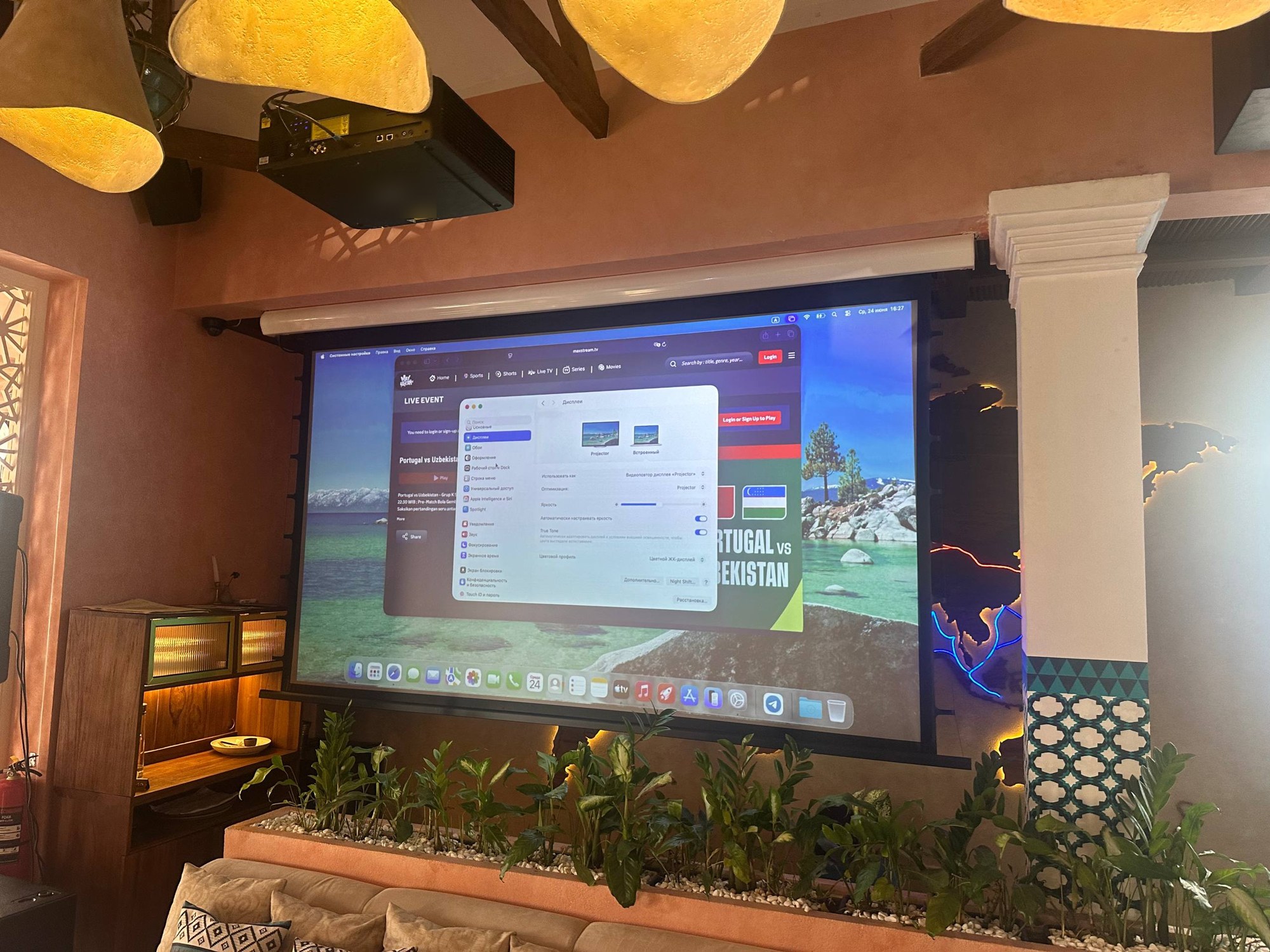
Silk Restaurant
104-inch daylight projection at SILK Restaurant, Canggu: a 7,000-lumen laser through a 0.48:1 short-throw lens onto a motorized Black Crystal ALR screen at 0.8 gain. The projector shares the ceiling with fabric chandeliers — knocked twice since January, squared both times from the floor by remote. Operating.
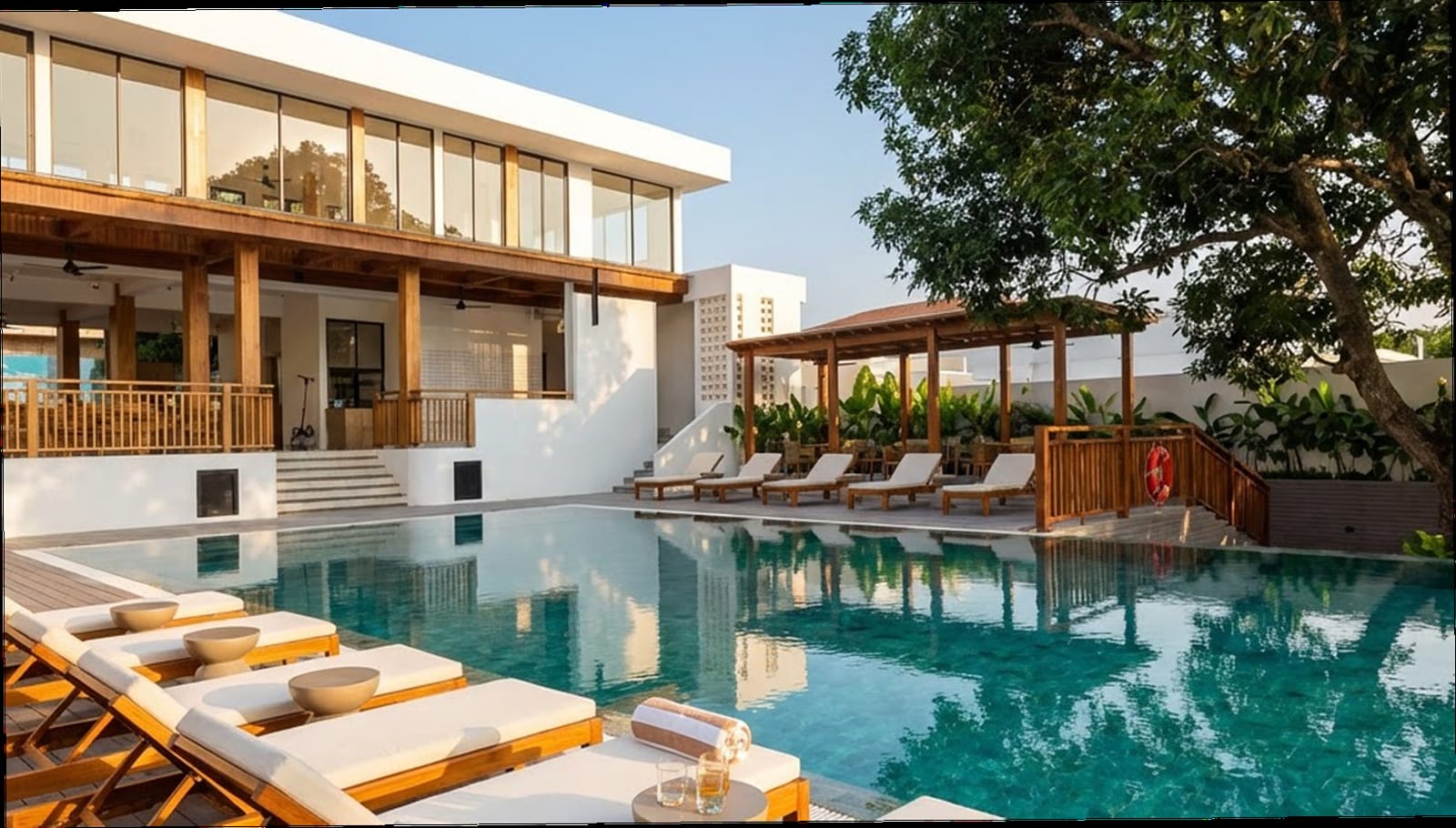
Ants Pants Restaurant
Restaurant sound, network and CCTV for Ants Pants at Family Nest, Uluwatu: an autonomous 27-speaker system on four amplifiers in the venue's own rack — Yamaha indoors, TAS outdoors, subwoofers flush in pool-deck niches — tied to the estate loop by one Dante link. 19 of the resort's 59 cameras, 8 APs on one copper star. Operating since January 2026.
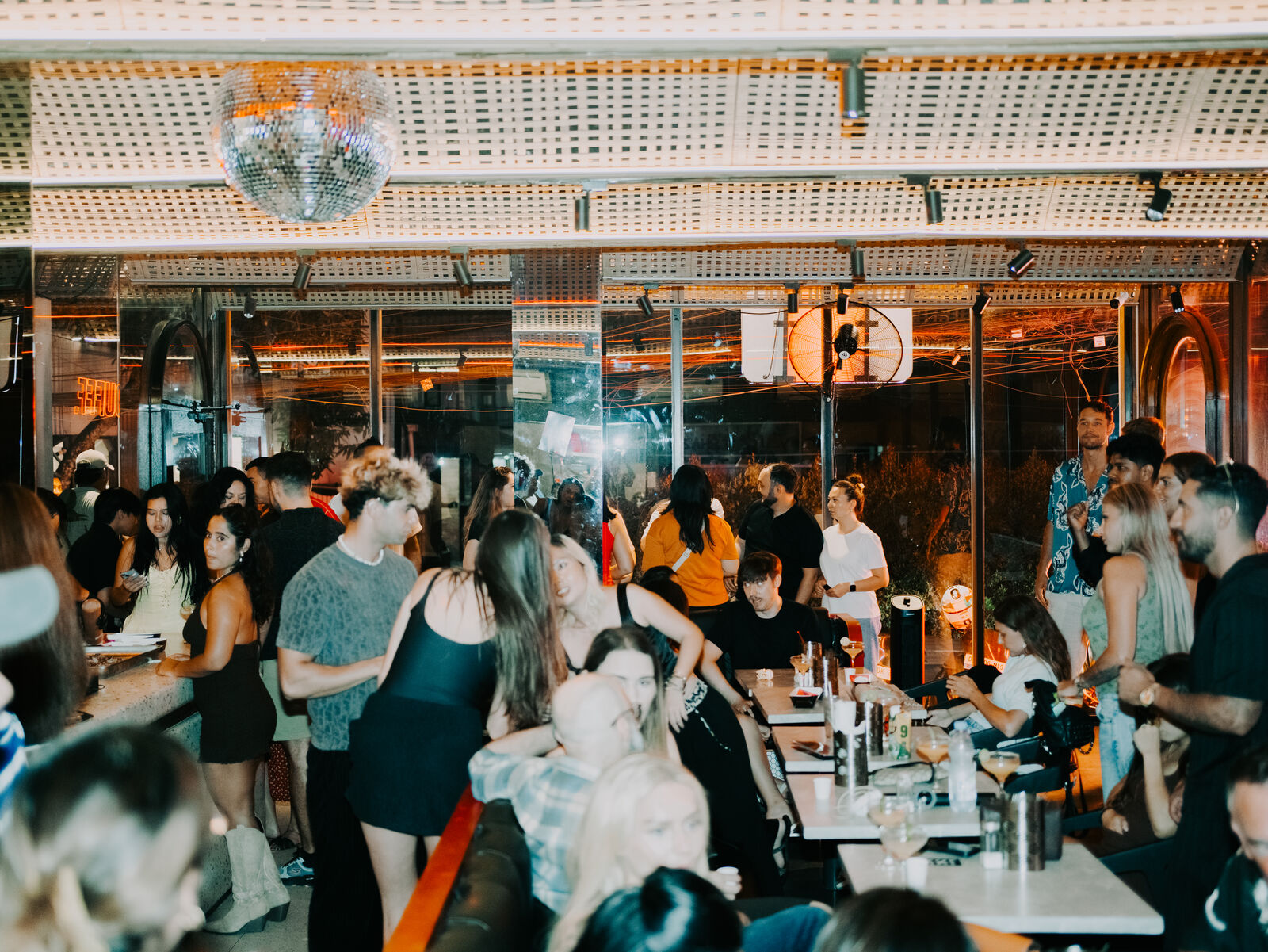
OUFFF
TAS.AC hid OUFFF Burger's whole sound system above an acoustically-transparent ceiling in Berawa, Canggu — a TAS S212B 2×12 sub and two TAS MR341 tops with no visible source, a weather-capable TAS MR363 for the semi-outdoor area, and one TAS 4×350 amplifier running room EQ, seamless DJ and Bluetooth routing, and day/evening/party presets. Completed; TAS.AC's own venue.
Questions F&B owners ask.
One partner
for the whole room.
Sound that sits under conversation, screens that read in sunlight, Wi-Fi that holds when you’re full, scenes that run lunch-to-late on one button. Designed together, supplied genuine, installed by one team, backed by a swap-first SLA and a written warranty.