Three audits run on your venue
whether you order them or not.
The banjar audits your sound — Bali enforces 70 dB at the property line, 55 near housing, and Satpol PP does come out. The PDP Law audits your cameras. Your guests audit the Wi-Fi every night, in public, on the booking platforms. We run all three audits first, on your side of the fence — and hand you the findings in writing before you spend a dollar on hardware.
Six things that
force the decision.
Noise complaints with teeth.
70 dB at the property line, 55 dB near residential areas — and enforcement is not theoretical: Satpol PP responds to banjar complaints. Zoning, DSP limiting and SPL monitoring keep the music inside your boundary and the fines off your P&L.
CCTV that fails the PDP Law.
Indonesia’s UU 27/2022 expects signage, retention policies and real data-handling. Fines reach 2% of annual revenue. Most Bali installs were done before anyone read the law.
Wi-Fi in your reviews.
Guests don’t file tickets — they post one-star reviews that mention the internet, and booking platforms rank you accordingly. Most of those complaints trace to coverage and capacity, not to the provider — a network design problem, not a bandwidth bill.
The season starts on a date, not as a surprise.
Systems that haven’t been touched since last year get tested the hard way — by a full house. Day one is not the day to find out.
A new GM, a rebrand.
New management wants the guest experience lifted, fast. Technology is the quickest lever — when it’s engineered, not bought off a shelf.
The 2026 renovation wave.
With a construction moratorium in several regencies, existing properties are the ones being modernized. An AV/IT retrofit is the highest-ROI upgrade a standing building can take.
Every finding, on paper.
Yours to keep.
A site visit produces documents, not opinions. Each one is written so your own team — or any contractor you choose — can act on it. If you never call us again, the audit still works. That’s the point of putting it in writing.
Network health report — coverage heatmap, speed bottlenecks, AP placement review. Measured with Ekahau, not guessed.
Sound compliance checklist — risk zones mapped against the 70/55 dB lines, SPL measurements, DSP limiting options.
CCTV audit — coverage gaps, retention compliance, access control review against UU 27/2022.
Prioritized issue list — severity-ranked, with estimated investment per item. What’s urgent, what waits, what’s cosmetic.
Upgrade options — Good / Better / Best, so you choose the level, not the vendor.
Monitoring & SLA proposal — optional, only if the property warrants it.
Choose the level.
The audit prices all three.
Good — Essentials
The venue stops generating complaints.
- Wi-Fi coverage fix
- CCTV compliance
- basic background audio
- standard equipment
Better — Experience
The venue starts earning on its systems.
- Multi-zone audio
- dynamic lighting scenes
- high-density Wi-Fi
- higher-grade components
- staff training
Best — Operate-ready
The venue runs itself; someone else watches the dials.
- Everything in Better
- 12-month SLA monitoring
- preventive maintenance
- SOP documentation
- dedicated support line
- swap-first hardware cover
The numbers,
before the meeting.
Ranges are wide on purpose. What moves you inside them — zone count, equipment tier, how loud the concept runs after 9pm — is written out on the pricing page, along with how a range becomes a locked number before you commit anything.
The figure you approve
is the figure you pay.
The audit maps every issue and prices the options — in writing.
You pick the scope. We lock the bill of quantities: every zone, every unit, every cable run, priced once.
Work is phased zone-by-zone, off-peak, around your operation.
If site conditions force a change, it arrives as a written change order you sign — not as a surprise on the invoice.
Properties running
our work.
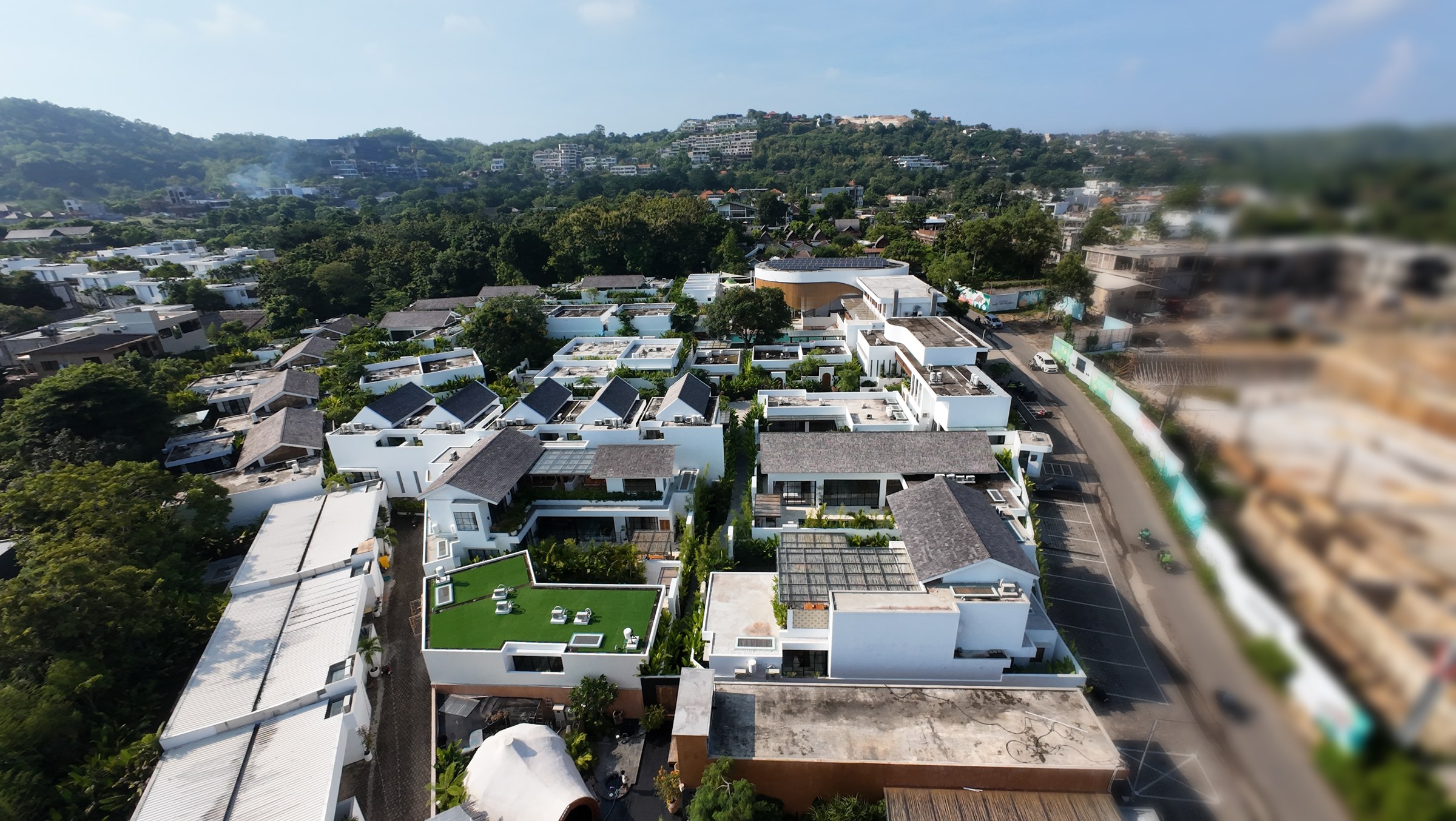
Family Nest
Resort AV/IT for Family Nest, Uluwatu, Bali: four venues and 34 villas on one physical backbone — 23 audio zones, property-wide Wi-Fi roaming, 59-camera CCTV, Starlink failover — and the whole property's connectivity at $200/month.
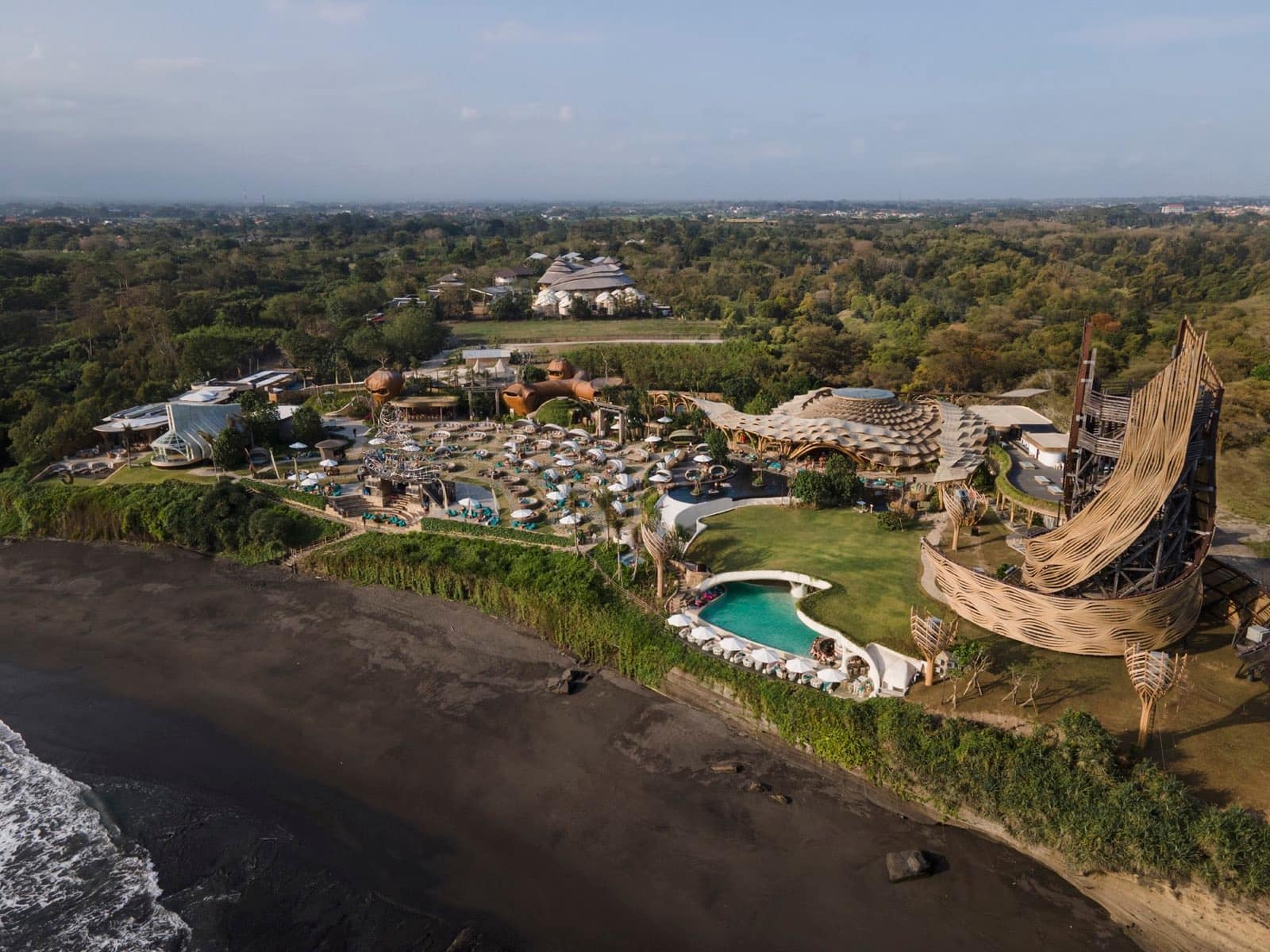
Luna Beach Club
Control-system engineering for Luna Beach Club at Nuanu Creative City, Tabanan, Bali: technical design and drawings, a 21×13 patch on an Allen & Heath AHM-64 with a reserve Dante server, the Dante network specification and a five-tab staff app — TAS.AC's first project, in partnership with Mediatact, operating since January 2024.
Questions from operators.
Get the list,
priced.
A site visit maps every risk on the property and leaves you a prioritized action plan — what’s urgent, what it takes, what it costs. The report is yours either way. First conversation is free.