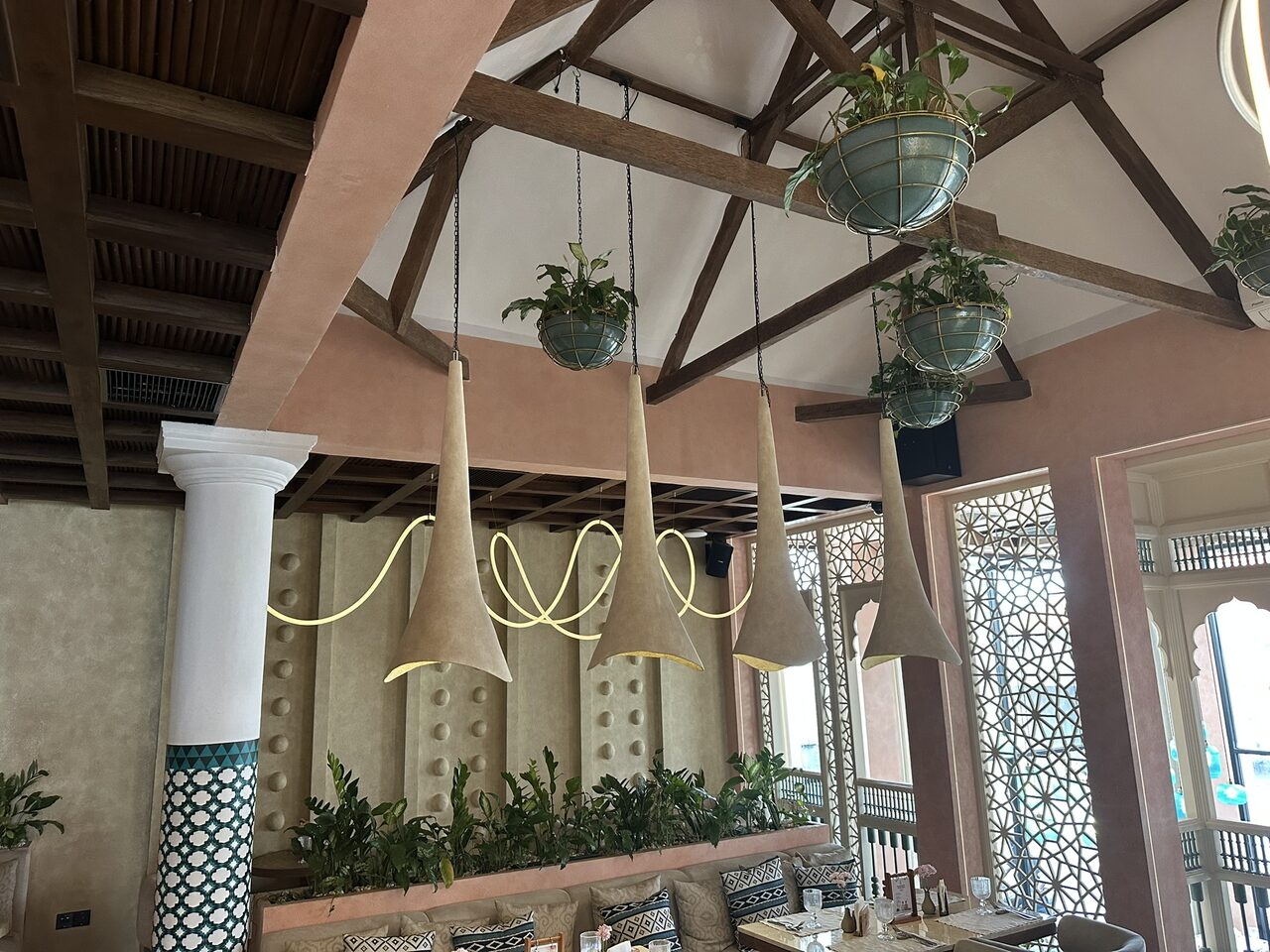
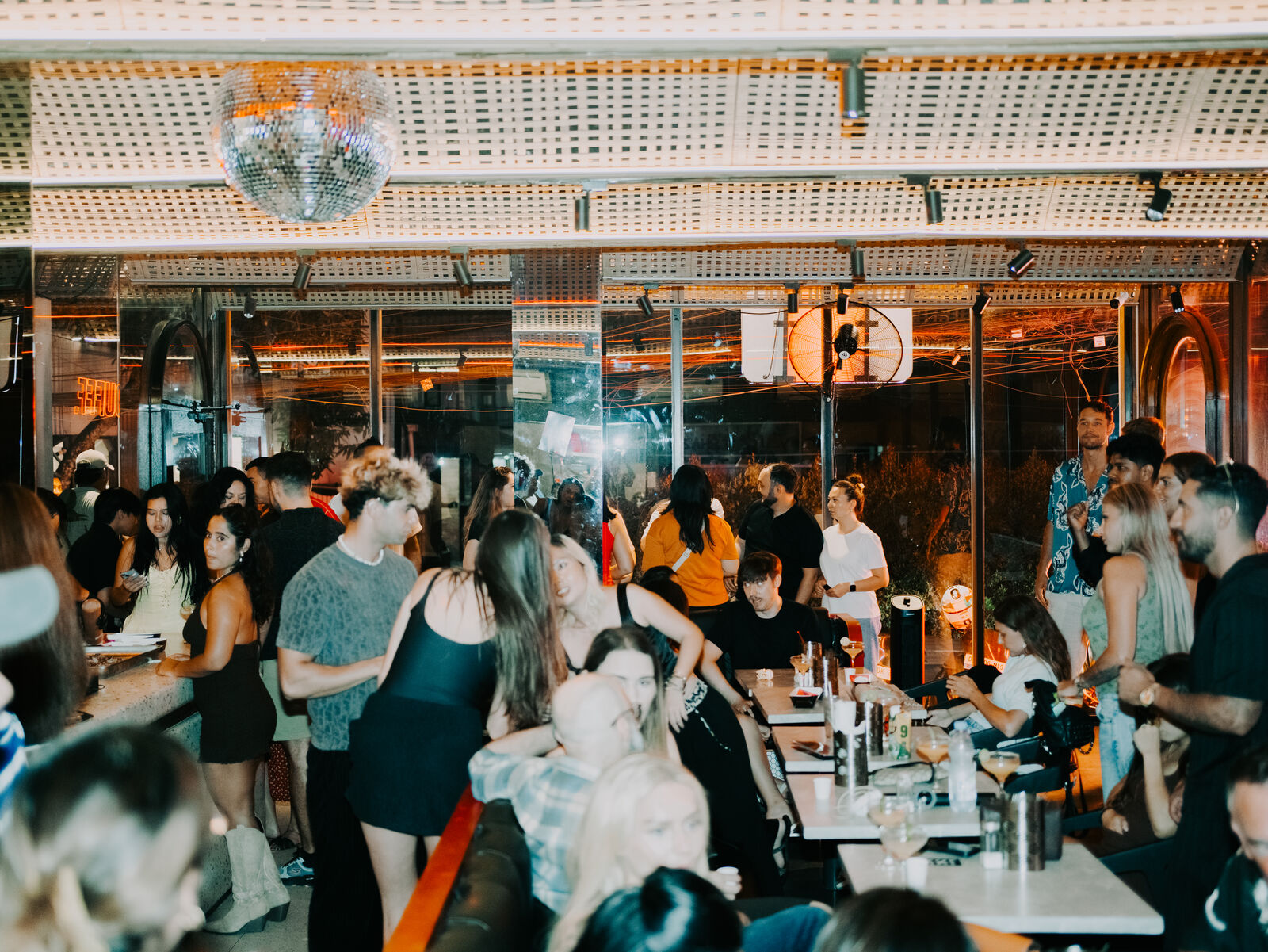
SILK Restaurant — oriental grill & shisha lounge, Jl. Subak Canggu, Canggu, Bali. Rescue and rebuild of the inherited sound system, at the same venue where TAS.AC completed the 104-inch daylight projection in Q1 2026. Role: TAS.AC — diagnostics, rewiring, amplification, DSP matrix, equalization and calibration. Key figures: Yamaha VS6 loudspeakers retained · TAS.AC DX4350 4-channel class-D amplifier · TAS.AC DSP1212 12×12 matrix · 2 Yamaha VXS10S subwoofers · 6 zone channels across 11 loudspeaker lines. Status: operational since July 2026.
What did TAS.AC do at SILK Restaurant, Canggu?
TAS.AC rescued the installed sound system at SILK Restaurant on Jl. Subak Canggu, Canggu (Bali) — the same venue as the completed 104-inch daylight projection system. The Yamaha VS6 loudspeakers stayed in service. TAS.AC rewired the room so the cabinets group by zone, added a TAS.AC DX4350 4-channel class-D amplifier, a TAS.AC DSP1212 12×12 matrix and two Yamaha VXS10S subwoofers, then set every level and EQ decision on the matrix. Six zone channels now run across 11 loudspeaker lines. Operational since July 2026.
Why the inherited system burned out
The system TAS.AC inherited from the previous install had no working logic. The loudspeakers had been connected with a channel count, an impedance load and a control scheme that did not add up. Two splitters were in the room, pressed into service in ways they were never meant for. There was no equalization and no level setting, so the room sounded flat and thin.
Then it cost hardware. Under load the amplifiers burned, and three loudspeakers went with them — amplifier and speaker power had never been matched, so the system was driving itself past what the cabinets could take. That mismatch is the failure at the centre of this rescue, and it is the one TAS.AC engineered out first.
What the rescue rebuilt
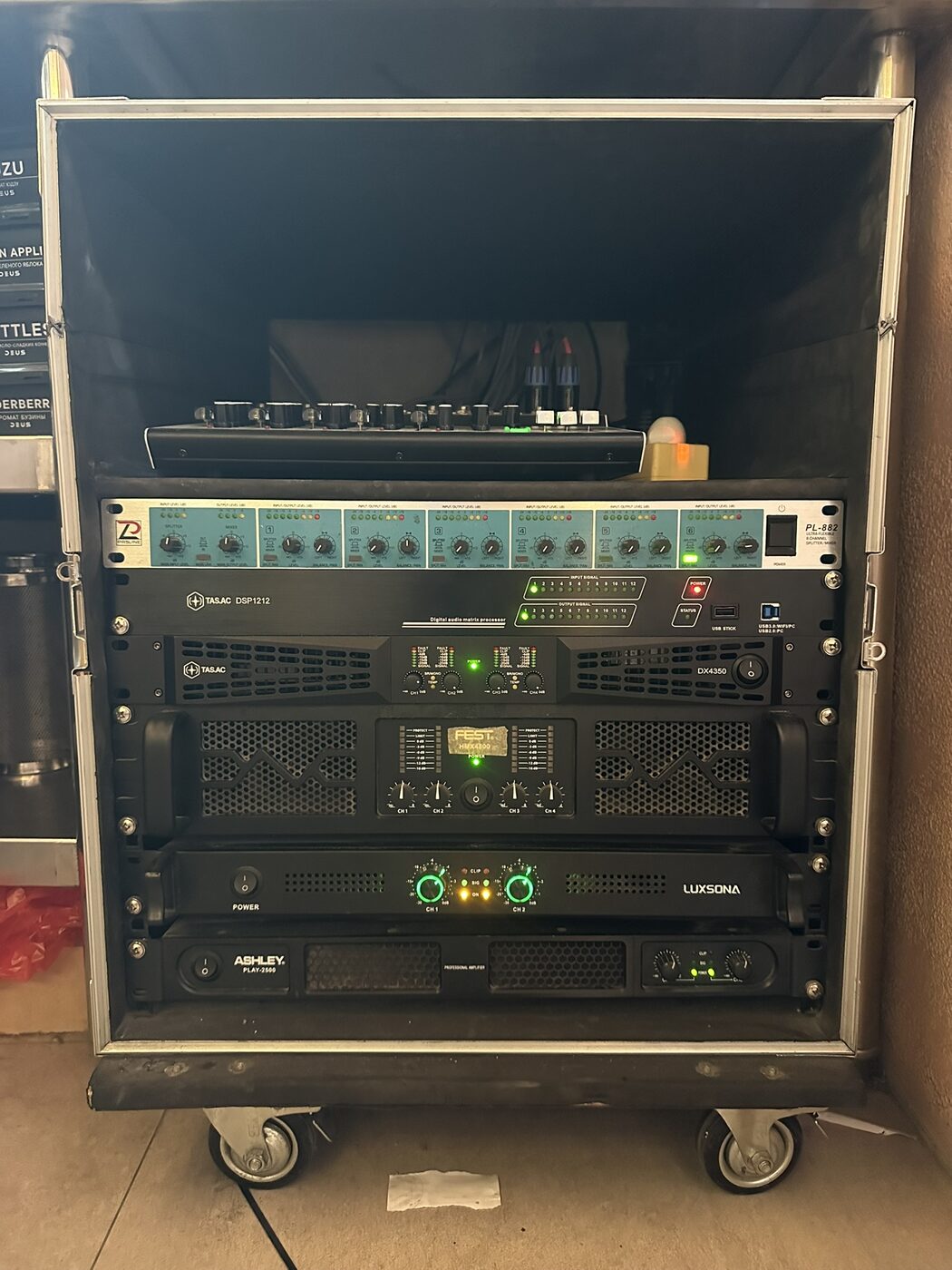
Diagnostics ran across the whole system before anything was ordered. The Yamaha VS6 cabinets were sound, so they stayed. TAS.AC re-ran the cabling so loudspeakers connect in groups by zone, and brought the signal path down to a single splitter feeding the matrix — one of the two inherited splitters, returned to the job it was built for.
The new spine is the DSP1212 12×12 matrix and the DX4350 4-channel amplifier, sized to the cabinets they drive. Two Yamaha VXS10S subwoofers took the low end off the VS6 boxes. Six control channels now cover five zones — bar, terrace, outdoor, restroom and a stereo VIP lounge — across 11 loudspeaker lines, with the outdoor zone on its own separate level control.
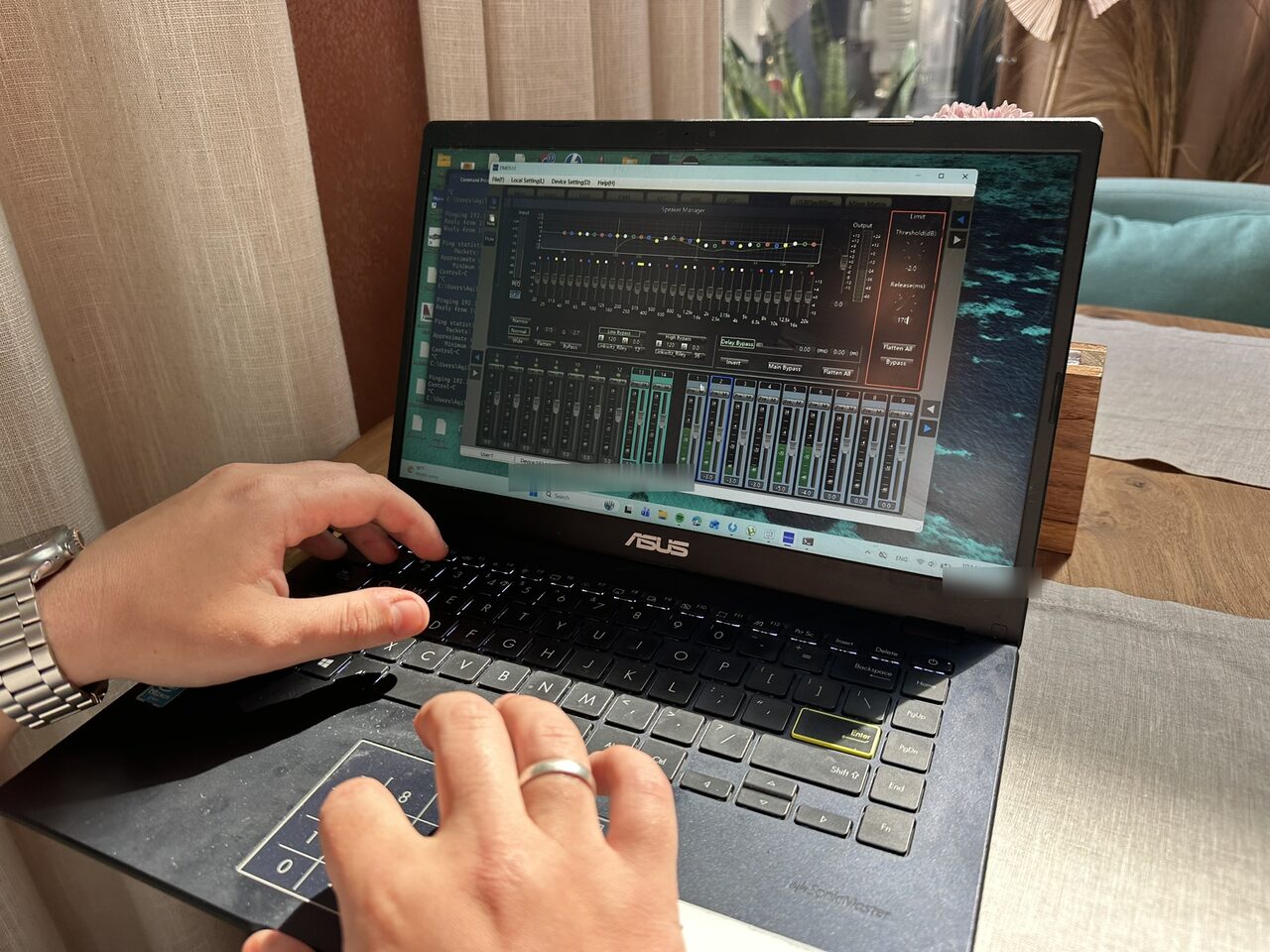
Levels and equalization are set on the matrix. The amplifier gains are set to a fixed maximum and left there; every operating decision — level, EQ, zone balance — is made on the DSP1212. Staff drive the room from the matrix, not from the rack, so the calibrated gain structure holds through service. Every zone regulates independently, and the response is levelled zone to zone.
The system at SILK — reference
| Element | What TAS.AC did | Why it matters |
|---|---|---|
| Loudspeakers | Existing Yamaha VS6 retained | Serviceable hardware stays; budget goes to the missing layers |
| Wiring | Re-run to group speakers by zone | Every zone gets its own coherent speaker group and its own control |
| Signal path | Two inherited splitters cut down to one in service | One clean feed into the matrix |
| Amplification | TAS.AC DX4350 4-channel class-D | Power matched to the cabinets, so nothing is driven past its limit |
| Processing | TAS.AC DSP1212 12×12 matrix | Per-zone level, EQ and control — the single point of operation |
| Subwoofers | 2 × Yamaha VXS10S added | Low end moves to dedicated cabinets; the VS6s stop straining |
| Zones | 6 channels / 11 lines; outdoor on its own regulator | bar, terrace, outdoor, restroom, stereo VIP lounge — each set independently |
| Gain structure | Amplifier gains fixed at maximum; control on the matrix | Operating from the matrix keeps the calibrated settings intact |
How much does a restaurant sound system rescue cost in Bali?
A diagnostic pass on the existing equipment establishes what can be kept and what the repair actually requires — before anything is bought. At SILK that pass kept the Yamaha VS6 cabinets and put the budget into the missing layers. How TAS.AC prices this work is on /pricing/.
Status at SILK: calibrated and operational
The rescue is complete. Rewiring, amplification, the matrix and the two subwoofers are in service; levels and equalization were set on the matrix and the calibration was finished in July 2026. Every zone regulates independently and the response is levelled zone to zone. This page states the confirmed scope and the delivered configuration; on-site before/after level measurements are not published here.
Can your system be fixed?
Most systems TAS.AC is asked to fix have serviceable loudspeakers and a missing engineering layer: no DSP, no subwoofers, no calibration — and sometimes a power mismatch already burning hardware. If your Bali venue has a sound system that is loud but muddy, harsh at volume, uneven between zones or losing amplifiers, it starts with a diagnostic pass, not a dumpster.
Also at this venue: 104-inch daylight projection system (operational, Q1 2026) →