← All services
TA-SEC

Hospitality CCTV & PDP Compliance

TAS.AC designs hospitality-grade IP CCTV and access control for Bali's resorts, beach clubs, villas and restaurants: IP67-rated outdoor cameras, compliant retention, and a system built to honour Indonesia's PDP Law (UU 27/2022). It is integrated with your AV/IT network, and we install CCTV for private villas, homes, cafés and venues in Bali as well.

ResortsBeach clubsVillasRestaurantsWellness

What does TAS.AC design for CCTV?

TAS.AC designs operator-grade IP CCTV and access control for Bali’s resorts, beach clubs, villas, restaurants and wellness venues. Every camera position is specified by field of view, low-light performance and an IP/IK rating that matches where it sits; coastal and poolside positions get IP67-rated, corrosion-resistant housings. The recording stack, retention policy, access logging and signage plan are designed together, so the property can operate the system and stand behind it.

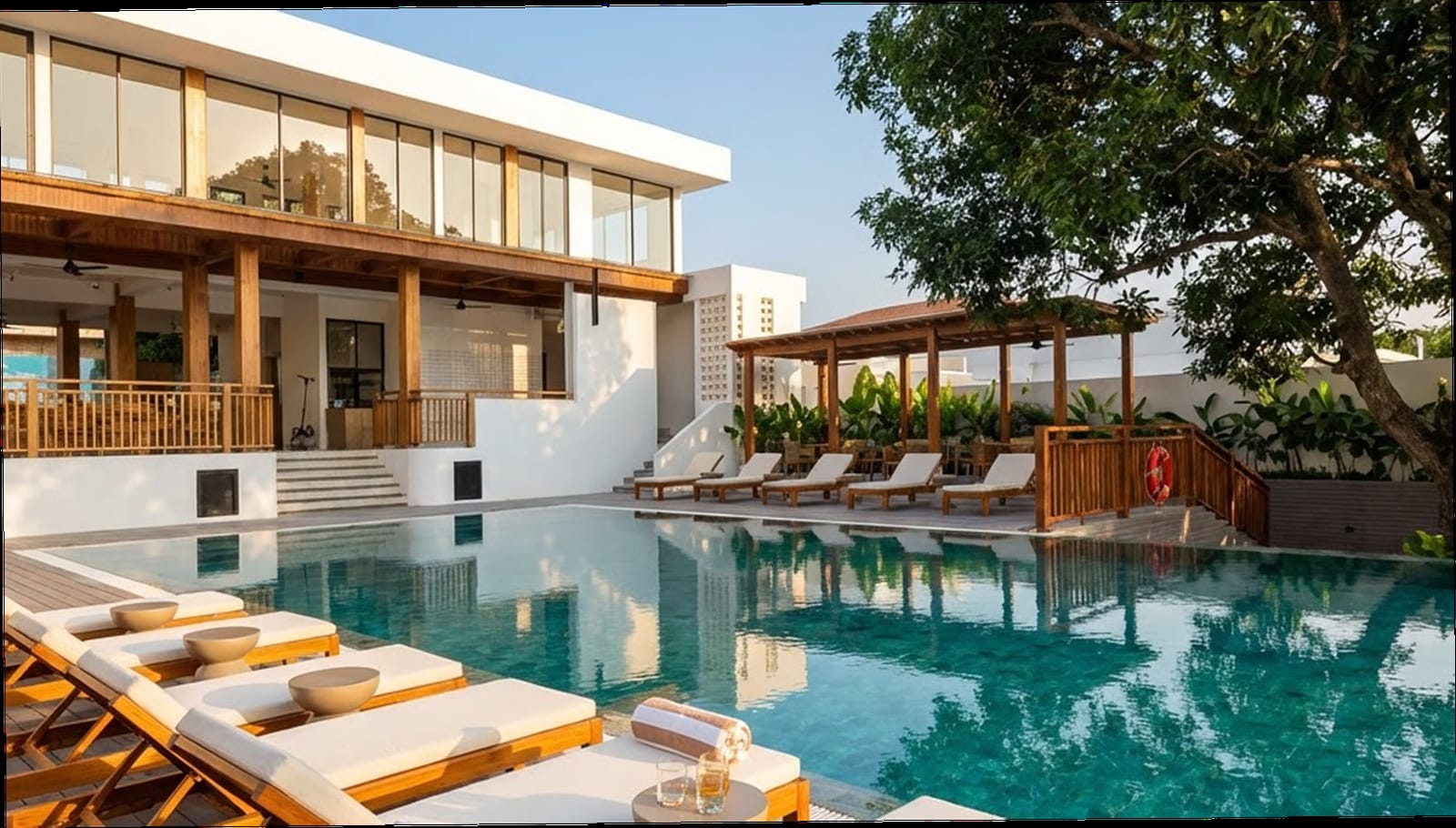
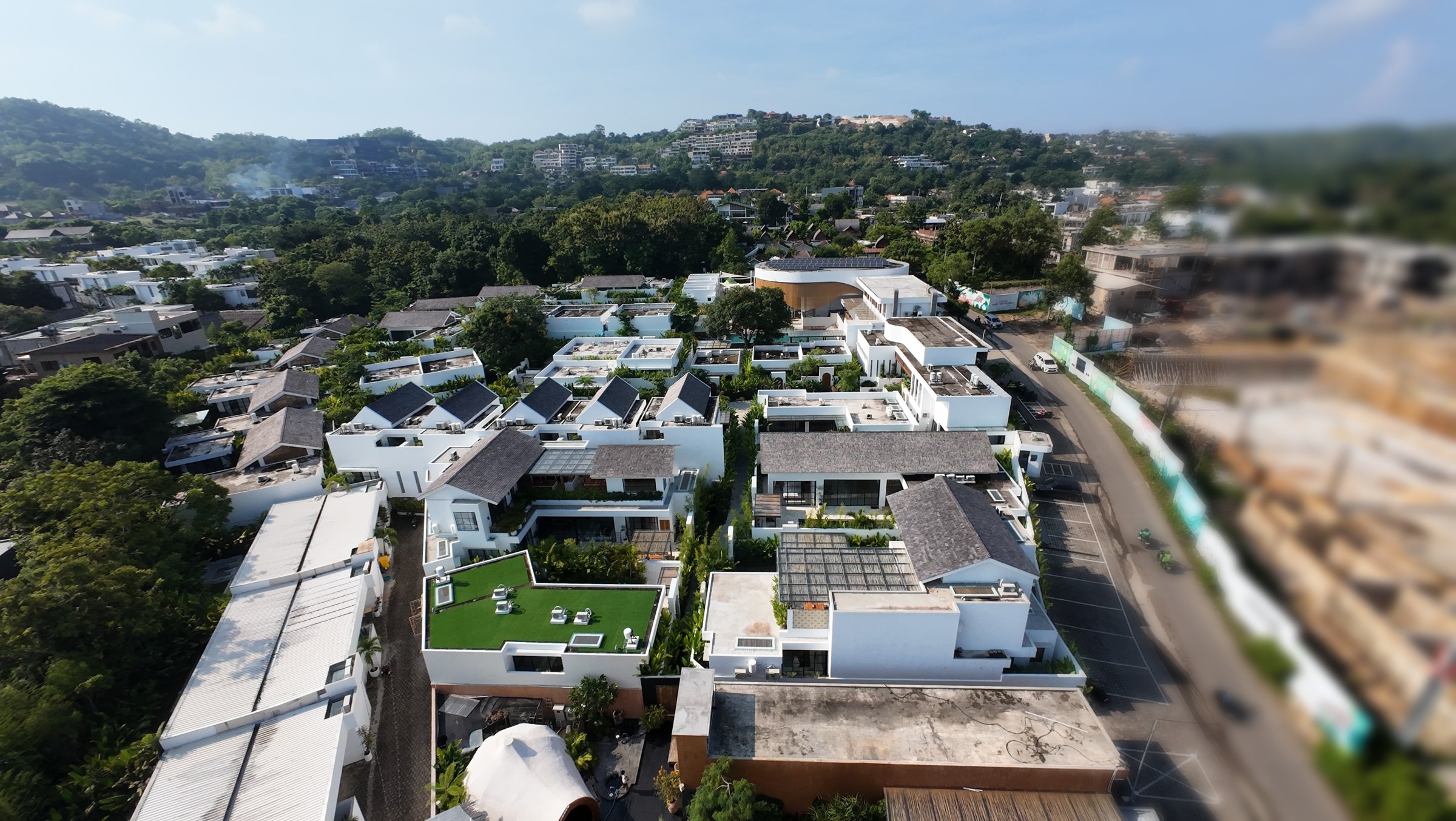
Private villas, homes and cafés get the same camera discipline; hotels get one more layer. A hotel is a data controller under Indonesian law, so the system rides its own segmented VLAN on the property’s engineered backbone, records to a documented retention window in secured storage, and hands over with as-built documentation and credentials. At Family Nest, a multi-venue resort on the salt-exposed Bukit Peninsula in Pecatu, 59 cameras record to a central 4-bay NVR and share one fiber backbone with audio, Wi-Fi and Starlink failover. At LV13, the camera network is designed onto its own VLAN, isolated from family and guest traffic.

Is this PDP-compliant under UU 27/2022?

We design to support compliance with Indonesia’s Personal Data Protection Law (UU 27/2022), which treats identifiable footage as personal data. The design builds in four disciplines: a documented retention period, secured and access-controlled storage, a signage and notice plan so guests and staff are informed, and access logging on who can view footage. Final legal sign-off stays with your operator and counsel.

The law sets a principle, not a fixed retention number: keep footage only as long as there is a lawful purpose, then delete it. Hospitality operators in Indonesia commonly land on a fixed window — 30 days is typical — balancing incident-investigation needs against storage cost. We size the NVR to the period you choose and write it into the as-built policy.

How much does hospitality CCTV cost?

Cost scales with camera count and coverage, camera grade per position, retention and storage, access-control scope and the compliance documentation; a restaurant and a multi-venue resort are different orders of magnitude. Every system is scoped from a fixed-fee design phase; see how we price. Every installation carries a two-year TAS.AC warranty.
What you get

Deliverables.

01

Camera-by-camera coverage plan with field-of-view, lux and IP/IK ratings per location

02

IP CCTV system on a segmented VLAN, integrated with your AV/IT network and switch fabric

03

IP67-rated, corrosion-resistant outdoor cameras specified for coastal salt air and humidity

04

NVR / server-room recording with a defined, documented retention period and secure storage

05

Access control and door hardware (visitor management, staff zones, back-of-house)

06

PDP-compliance pack: data-flow notes, signage/notice plan, access-log and retention policy

Pricing

What drives the cost.

Every venue is different, so we price from a fixed-fee design phase rather than a catalog. These are the factors that move the number.

Camera count and coverage

The biggest driver: a restaurant needs a handful of cameras, a multi-venue resort needs property-wide coverage.

Camera grade and environment

Coastal and poolside positions need IP67-rated housings; low-light, varifocal and PTZ units price above fixed-lens.

Retention period and storage

Longer retention and higher resolution multiply NVR sizing, drive redundancy and storage cost more than the cameras.

Network integration

CCTV on a segmented VLAN over the existing backbone costs less than a parallel stand-alone cabling run.

Access control scope

Door controllers, readers, electric locks and visitor management add per-door cost.

Compliance and documentation

Signage, retention policy, access logging and documented data flows: design and process work, not a hardware line.

Typical stack & brands
HikvisionTP-Link VIGIMikroTik

Brand-agnostic — we specify what fits the room and budget, not what pays commission.

FAQ

Frequently asked.

Do you install CCTV for private villas, homes and cafés?
Yes. We install CCTV for private villas, homes, cafés and venues in Bali, as well as for hotels, resorts and beach clubs. Cameras are rated for where they sit, including coastal salt air. Hotels and resorts additionally get the operator layer: recording on a segmented VLAN integrated with the AV/IT network, a documented retention and access policy for PDP compliance, and as-built documentation.
Will the CCTV survive Bali's coastal salt air and humidity?
On salt-exposed sites like the Bukit Peninsula, where TAS.AC built property-wide CCTV for Family Nest in Pecatu, Uluwatu, we specify corrosion-resistant, IP-rated housings and managed equipment locations so cameras last, instead of consumer hardware that fails in a season.
Can the CCTV run on the same network as our Wi-Fi and audio?
Yes — it rides its own segmented VLAN on the property's engineered fiber and switch backbone, isolated from guest traffic, with no duplicate cabling run. At Family Nest this is one integrated low-voltage system, not separate contractors stitched together.

Let’s scope
your system.

Tell us the venue type, location, and stage. We start with a fixed-fee design phase that locks the scope and the number.