What does TAS.AC design for audio?
TAS.AC designs and engineers multi-zone audio for Bali’s beach clubs, luxury villas, resorts, restaurants and wellness venues. The work is a zone plan on the architectural drawings, DSP and loudspeaker selection, a Dante network where the venue needs one, and noise-compliant coverage. A staff-operable control layer with scene presets runs it, so the venue works without an audio engineer on shift.
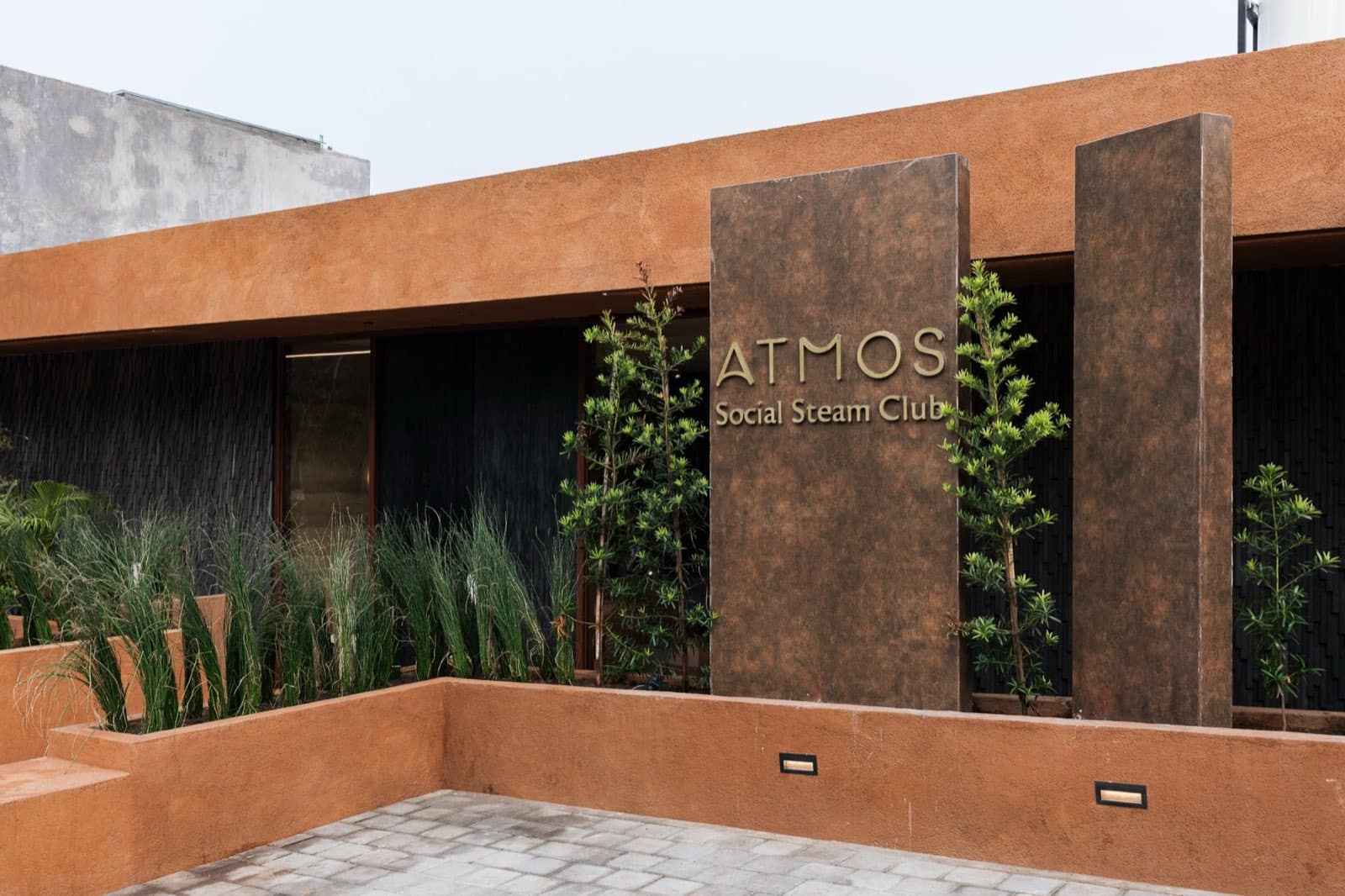
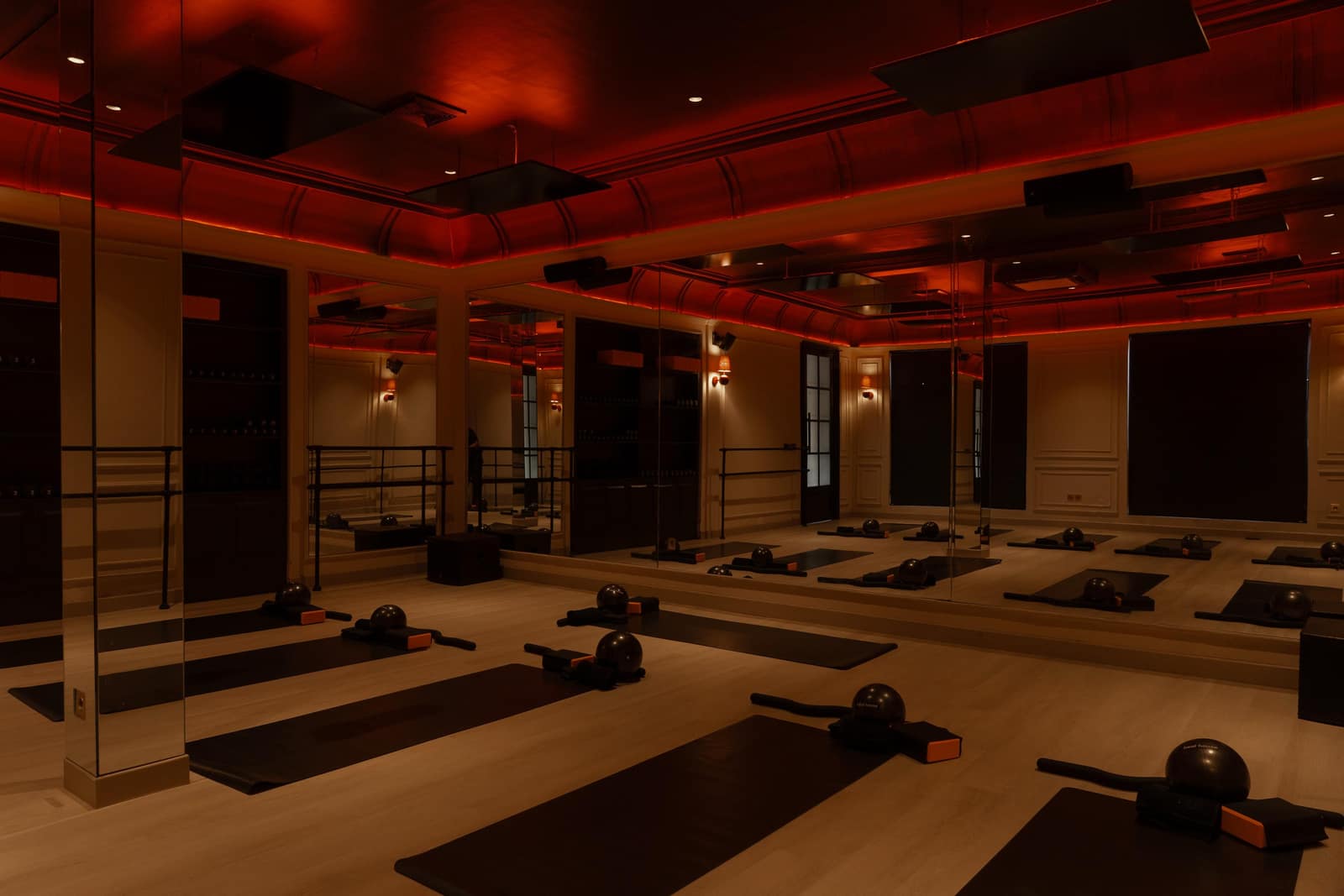
Tropical-grade is the baseline. Outdoor and coastal loudspeakers are IP-rated and corrosion-resistant; amplifiers, mixers and matrix cores are racked in conditioned, ventilated spaces with power conditioning ahead of them. At ATMOS Steam Club we specified speakers as replaceable units for clay steam domes at 50 °C and 100 % humidity; at Heat Space, IP65 speakers for a 40 °C hot-yoga room, amps racked outside the heat.
Noise compliance is an engineering job: directional loudspeakers aimed into the venue, delay zones, per-zone DSP limiting, and SPL modelled against whichever boundary limit your permit or banjar requires.
Why multi-zone, and do I need Dante?
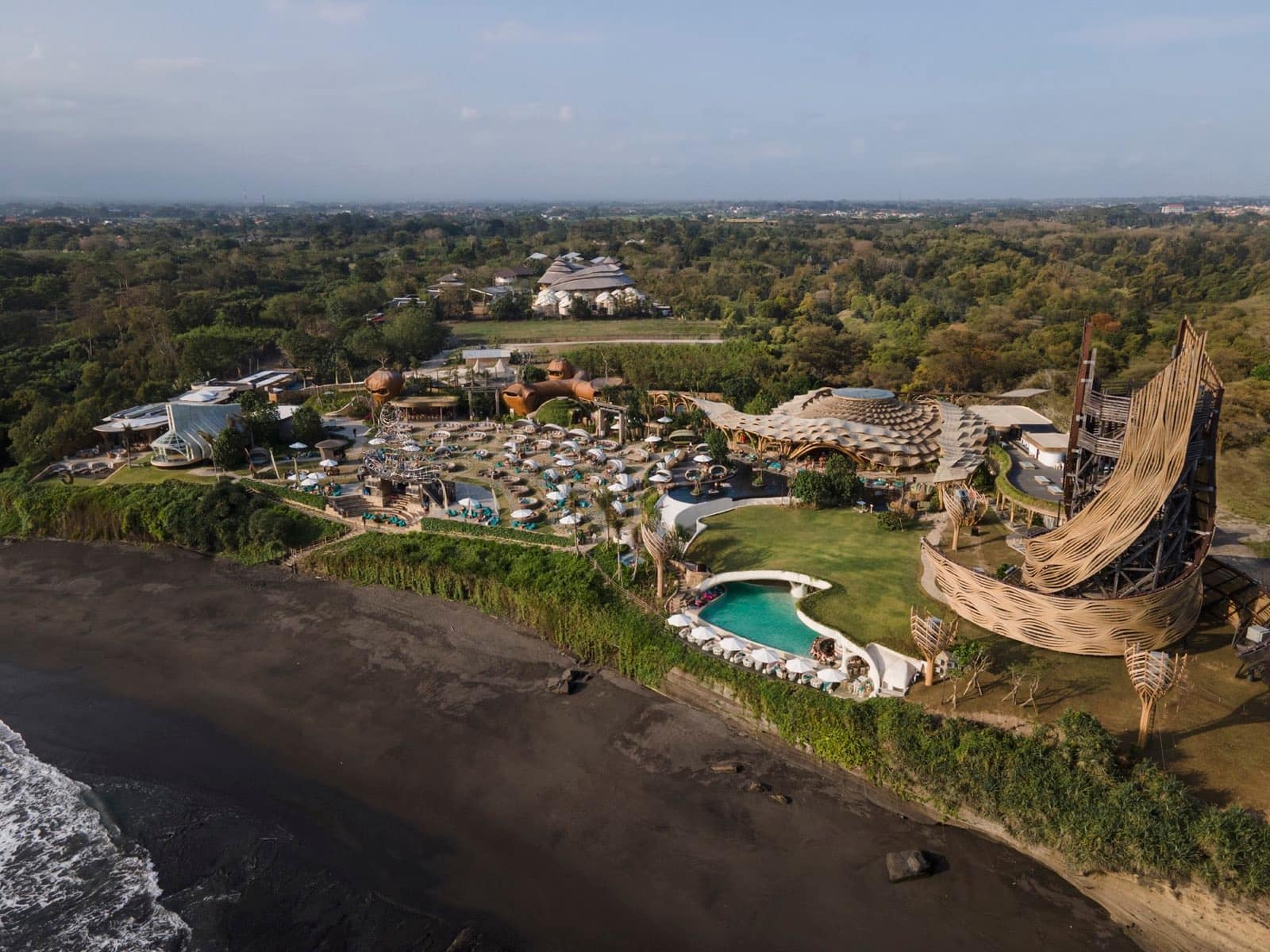
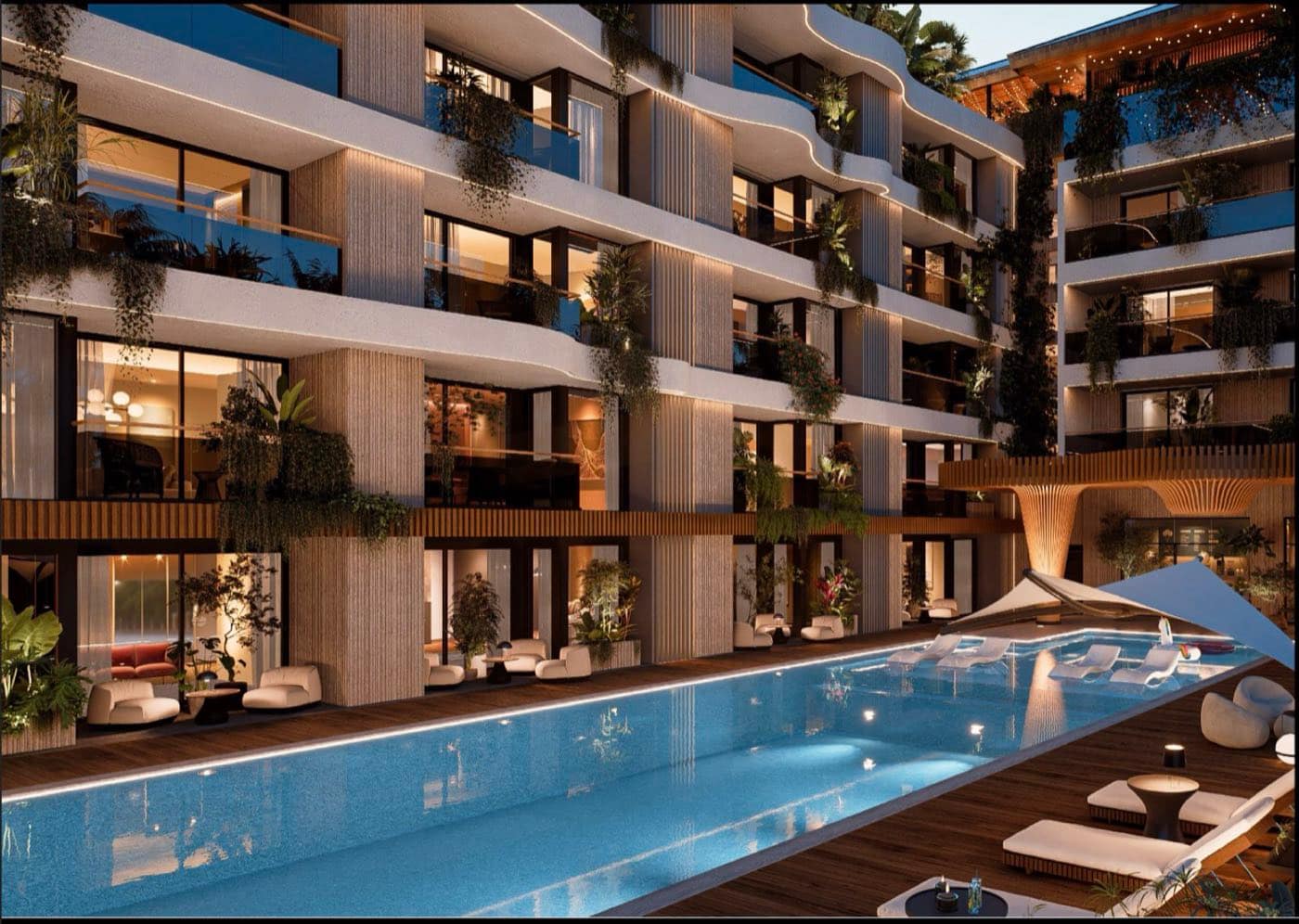
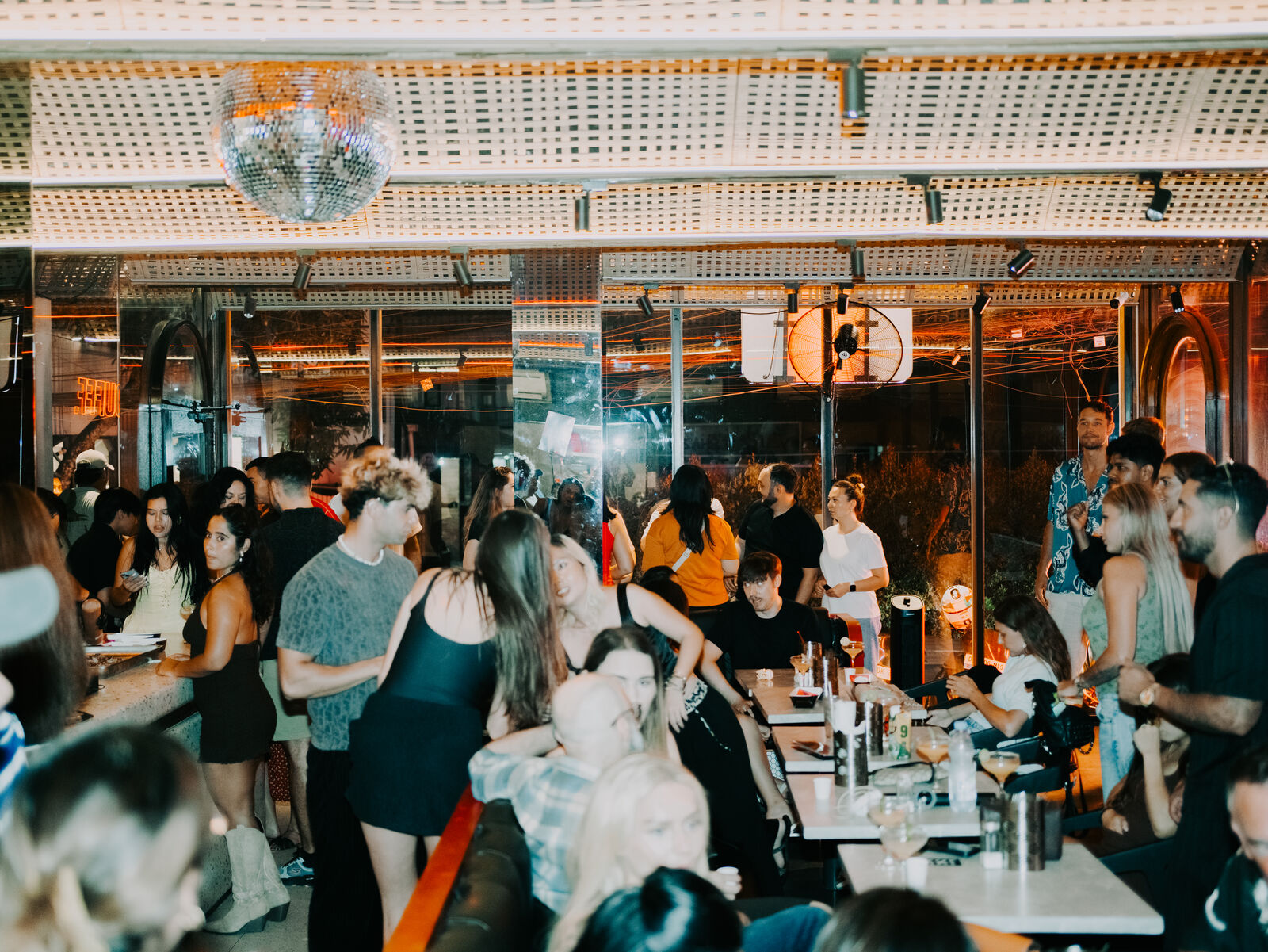
A multi-zone system treats every space independently, with its own level, EQ, source and schedule, while any source can route to any zone from one matrix. Luna Beach Club runs 13 sources across 21 zones: a DJ on Luna Main Stage, an ambient channel in Restaurant Main and a sunset playlist at Upper Pool, all live at once. PGD Aparthotel is designed to the same principle at 11 zones with two operating modes.
Dante, by Audinate, carries many channels of low-latency digital audio over one managed Ethernet network instead of separate analog runs. We design around it where zone and source counts justify it — TAS.AC built the 8-zone Dante domain at ATMOS Steam Club and wrote the Dante network specification Luna Beach Club runs on. A single-venue background system, like OUFFF Burger in Berawa, does not need it.
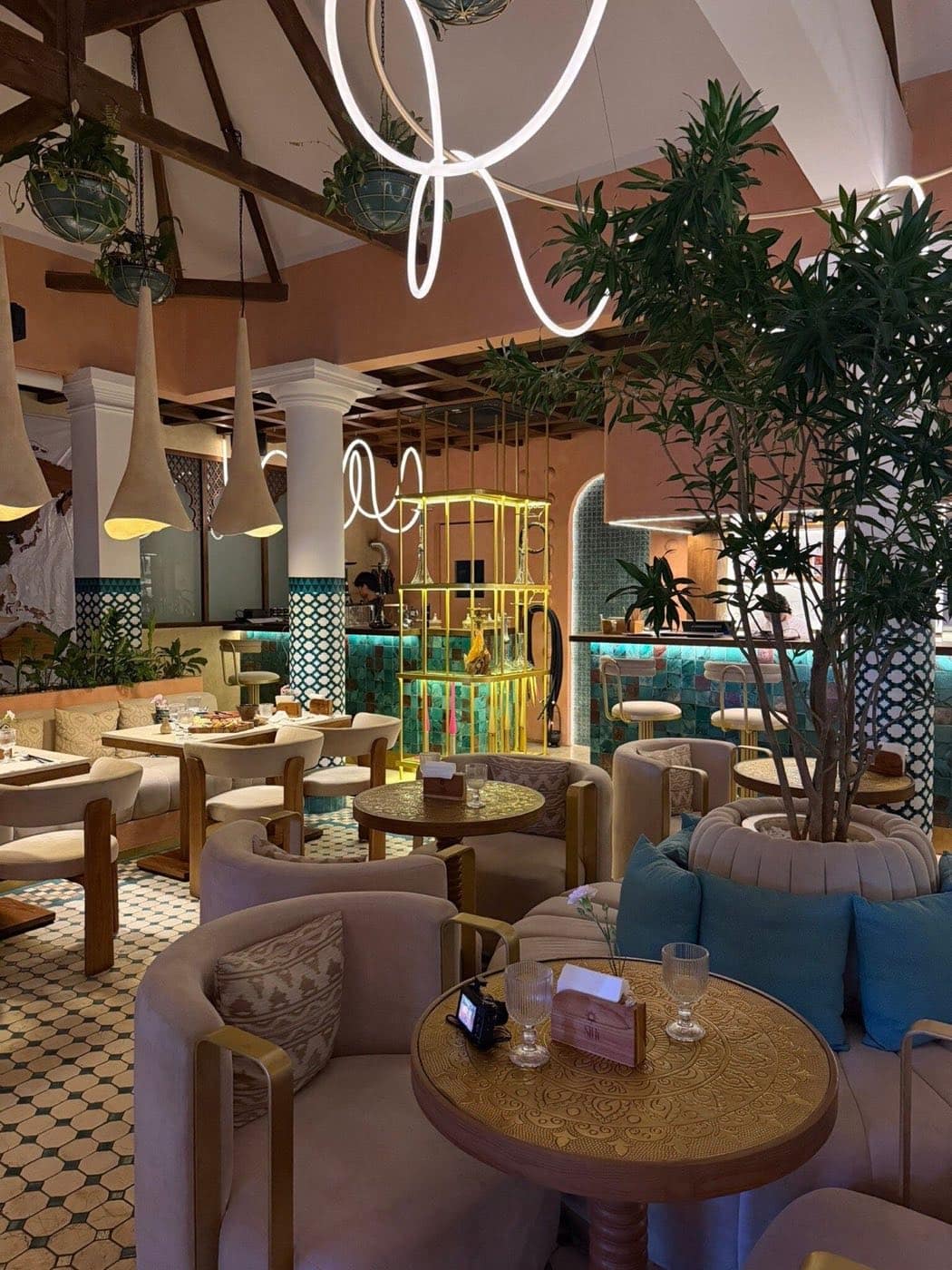
And not every problem is a new system. If your room is loud but muddy, we diagnose before quoting — often the fault is the setup, not the gear. At SILK Restaurant in Canggu we kept the installed Yamaha VS6 loudspeakers and added the missing layer: a DSP matrix, subwoofers and calibration.
How much does beach club audio cost?
Zone count, source count, loudspeaker tier, network complexity, coastal hardening and concealment move the number; a restaurant background system is a fraction of a 20-plus-zone beach club. Every project starts from a fixed-fee design phase, and the finished install carries a two-year TAS.AC warranty. If a background system is all you need, we’ll say so — see how we price.